
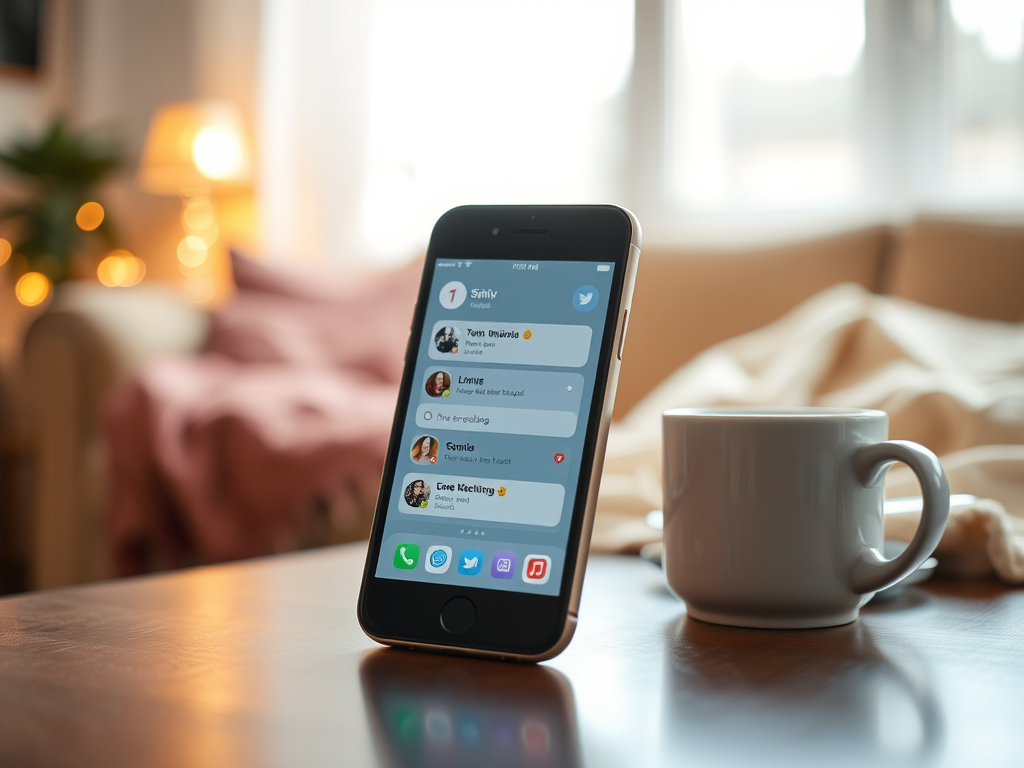

As promised, today we are starting a deep-dive journey into our lives—especially into digital attachment and how quietly it has become part of our emotional world.
This is not a “10 ways to be happy” blog, nor a serious lecture on self-love or positivity.
This blog is simply about observations, amusements, and small truths we often ignore while scrolling.
Social Media Stories and Digital Attachment
Have you noticed how almost everyone posts stories on WhatsApp, Instagram, Facebook, and other platforms?
Some post inspirational quotes.
Some share songs.
Some upload useful, humorous, or sarcastic videos.
At first, they look random. But when you observe closely, you start noticing patterns connected to digital attachment.
A Simple Observation
Statuses are no longer just stories—they have become indirect conversations.
If someone wants to say something to someone but doesn’t want to say it face to face, they use a status. These days, moods are often reflected online.
Happy status → happy mood
Sad status → sad mood
It’s interesting how digital attachment allows people to open up—yet keeps them emotionally stuck for at least 24 hours. Officially. In reality, much longer.
The Habit of Watching and Waiting
Once a story is posted, another habit begins:
- Checking who has seen it
- Re-checking views
- Counting likes
- Waiting to see if that one person has watched it
The story disappears in 24 hours, but digital attachment keeps the emotion alive.
Interestingly, experts have also observed that excessive social media use can affect mood and emotional wellbeing, often reinforcing the very feelings we are trying to escape.
Emotional Attachment vs Digital Attachment
If we look closely, we are usually doing two things:
Emotional Attachment
This is not just attachment to a story, but attachment to the hurt and pain itself. We are not ready to let it go.
It’s like cutting your finger and pressing the wound again and again—then blaming it for not healing.
Funny, isn’t it?
Digital Attachment
To escape these emotions, we turn to our phones and social media. Slowly, digital attachment takes over—constant scrolling, checking, peeping.
Instead of healing, we sit with emotions through screens.
Digital Attachment Has No Age Limit
This isn’t limited to the younger generation.
I’ve seen people in their 50s, 60s, even 70s experiencing the same digital attachment.
I don’t even need to look far—my own parents are a perfect example.
Whenever my mom wants to taunt my dad or his family, she finds something on Instagram and posts it on her story.
And I quietly enjoy their silent cold war.
A Small Side Note (For Next Time)
On a completely different note—I finally ate fish yesterday.
Just hours after sharing my hope of completing a one-year vegetarian streak, I was happily enjoying fish.
Contradictions like these deserve their own conversation—next Thursday.
The Core Thought
“Digital attachment helps us express emotions—but often keeps us reliving them instead of healing.”
If these quiet observations resonate with you, I’d love to continue this conversation with you at The Cozy Café ☕
A space to pause, reflect, and talk about inner healing, contradictions, and everyday life—without noise or pressure.
What are your thoughts on digital attachment?
Let’s talk at The Cozy Café.
Leave a Reply