
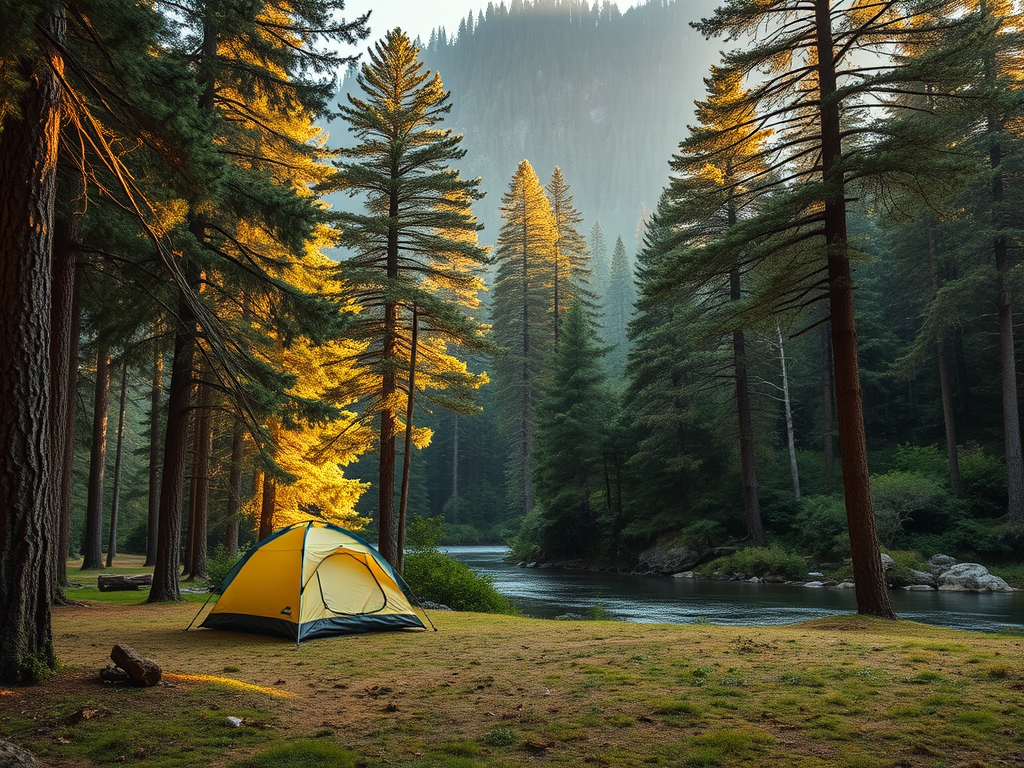

Introduction: The Secret to a Perfect Solo Camping Experience
Imagine waking up to the sound of birds chirping, the fresh scent of pine in the air, and a cool breeze gently brushing your skin—no alarms, no schedules, just you and nature. Sounds perfect, right? But here’s the catch: not all solo camping spots offer this level of peace. Some are crowded, overpriced, or simply not worth the hype. This guide will take you beyond the usual tourist spots and introduce you to relaxing solo camping places within budget, along with must-have accessories that can make or break your trip.
If you’re ready to escape into nature without emptying your wallet, keep reading.
1. The “Silent Haven” Spots No One Talks About
While most blogs list the same popular campsites, I’m here to reveal hidden gems where solitude, affordability, and beauty come together.
1.1. Dispersed Camping in National Forests (USA & Canada)
- Why? Unlike regular campgrounds, these spots are free! No noisy neighbors, no overpriced camping fees.
- Where? Check out Pisgah National Forest (North Carolina, USA) or Banff’s Backcountry (Canada) for breathtaking views without the crowd.
- Pro Tip: Always check local regulations, as some areas require permits.
1.2. Beach Camping in the Off-Season (Worldwide)
- Why? Summer is expensive and crowded, but in off-seasons, beaches turn into peaceful sanctuaries.
- Where? Try Kumta Beach (India), Playa Balandra (Mexico), or Llanddwyn Island (Wales).
- Pro Tip: Bring a sand-proof tent and a light windbreaker for chilly nights.
1.3. Private Land Rentals (The Game-Changer!)
- Why? You can rent a tiny private camping area for just a few dollars, avoiding overcrowded public campsites.
- Where? Websites like Hipcamp, CampSpace, and even Airbnb list hidden private camping spots in forests, near rivers, and even on farms.
- Pro Tip: Contact hosts for off-season discounts.
2. Accessories That Transform a Basic Camping Trip into a Luxury Escape
The difference between a bad solo camping experience and an unforgettable one? The right gear!
2.1. Tent: Your Portable Home
💡 Game-Changer: Invest in a one-person ultralight tent with quick setup. My favorite? The Naturehike Cloud-Up 1, weighing just 2.5 lbs!
2.2. Sleeping Setup: No More Aching Back
💡 Hack: Skip the traditional sleeping bag and try a hammock tent with a built-in mosquito net. It’s lighter, comfier, and feels like sleeping in the clouds.
2.3. Cooking: Hot Meals Without the Hassle
💡 Budget Tip: Instead of buying a fancy stove, DIY your own using a soda can and alcohol fuel (look up “penny can stove” on YouTube!). Cheap, efficient, and backpacker-approved.
2.4. Power & Light: Stay Charged Anywhere
💡 Insider Pick: A solar-powered lantern with a USB charger (like the MPOWERD Luci Light) keeps your devices alive in the wild.
2.5. The Secret Weapon: A Compact Fire Starter Kit
💡 Why? It makes starting a fire in damp conditions easy. Bring cotton balls soaked in Vaseline for a foolproof fire-starting trick.
3. Bonus Tips for the Ultimate Solo Camping Experience
🌲 The 10-Step “Perfect Spot” Test
Before setting up your tent, check:
✅ 1. Is it flat and free of rocks?
✅ 2. Is it not too close to water (flood risk!)?
✅ 3. Is it hidden from strong winds?
✅ 4. Can you hear nature instead of highways?
✅ 5. Is there some shade but also sunlight?
✅ 6. Is the ground dry and not marshy?
✅ 7. Are there no big dead branches overhead (dangerous!)?
✅ 8. Is it far enough from the main trails?
✅ 9. Is there a natural view for morning coffee moments?
✅ 10. Do you feel safe and comfortable?
🔥 The Fire Pit Trick (Leave No Trace!)
Instead of making a new fire pit, use an old metal tray. It keeps the ground clean and makes it easy to control the fire.
🚶♀️ The 100-Step Rule
When setting up camp, count 100 steps from your tent in 3 directions:
- To your water source (if available).
- To a safe restroom spot (dig a small hole, cover it after use).
- To an emergency exit route.
4. Solo Camping Safety: Be Smart, Stay Safe
Tell Someone Your Plans – Always inform a friend or family member about your location.
Carry a GPS & Emergency Device – A simple Garmin InReach Mini could save your life.
Know Local Wildlife – Research common animals in the area and carry bear spray if necessary.
Trust Your Instincts – If a place feels off, move. Safety comes first.
5. FAQ – Answering Your Common Questions
Q1: What is the cheapest place to go solo camping?
A: National forests with dispersed camping are free and perfect for solo campers.
Q2: How do I stay safe while solo camping?
A: Always tell someone your location, carry a GPS device, and be aware of local wildlife.
Q3: What is the best time for solo camping?
A: Off-season camping (spring & fall) gives you the best balance of solitude and affordability.
Q4: What’s the best budget tent for solo campers?
A: The Naturehike Cloud-Up 1 is ultralight, durable, and affordable.
Conclusion: Your Next Adventure Starts Now!
Solo camping is about freedom, peace, and self-discovery. With the right relaxing solo camping places within budget and smart accessories, you can turn any trip into a magical experience.
No crowds. No overpriced fees. Just you, the stars, and the whispering trees.
👉 Drop a comment: Where would you love to go solo camping next? 🌿✨
5 Romance Books to Read in February Books To Accompany You!
2 responses to “Relaxing Solo Camping Places Within Budget”
-
[…] Relaxing Solo Camping Places Within Budget – StoryCrafters: Dive into Free Stories for Every S… […]
-
[…] Relaxing Solo Camping Places Within Budget – StoryCrafters: Dive into Free Stories for Every S… […]
Leave a Reply